PHYSICAL INTERVENTION TRAINING (BILD-ACT CERTIFIED)
AVALON CORPORATE
MANDATORY TRAINING
CLINICAL SKILL TRAINING
OTHER HEALTHCARE COURSES
COMPANY INFO
- Course Calendar
- Reviews
- Video & Gallery
- Terms & Conditions
- Healthcare News & Blog
- Contact Us
E-Learning for healthcare


PHYSICAL INTERVENTION TRAINING
Therapeutic Observation & Engagement Training Course. Now For £40 Only!
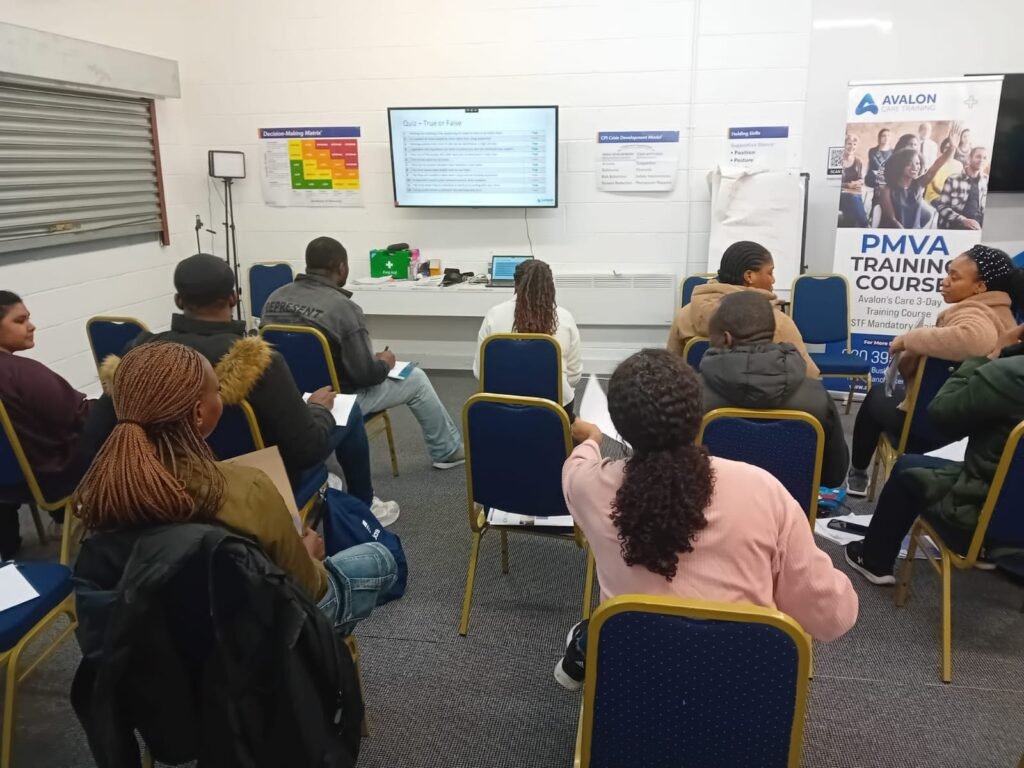
1-DAY Classroom training aimed at equipping with the skills and knowledge needed to effectively observe and engage with individuals in various settings. Holds every Saturday in Manchester.
- Unit 16, Cariocca Business Park, Sawley Road, Manchester, M40 8BB.
- Physical Intervention Training
Course Description
An observation and engagement course typically covers a range of topics aimed at equipping participants with the skills and knowledge needed to effectively observe and engage with individuals in various settings.
1- Day Course: 9am to 5pm.
Certificate Type: E-Certificate in PDF Format.
Refresher Period: 1 Year
Course Details
Who is this course for?
General Public
Anyone interested in learning basic first aid and emergency response skills to be prepared for accidents or medical emergencies.
Parents and Caregivers
Individuals responsible for the care of children, elderly, or people with health conditions who may need immediate assistance during emergencies.
Teachers and School Staff
Educators and school personnel who may need to manage emergencies in school settings.
Workplace Employees
Workers in high-risk environments who may need to respond to accidents or health crises at the workplace.
Sports Coaches and Trainers
Professionals in sports settings who might need to manage injuries and health emergencies in athletes.
Community Leaders or Volunteers
People involved in community services who may encounter emergency situations and need to provide quick care.
Anyone Seeking Basic Lifesaving Skills
Anyone who wants to gain confidence and competence in handling emergency situations and providing first aid.
Course Outcome
Outcome 1
Understand and apply the principles of First Aid and the DR ABCD approach for assessing and managing emergencies.
Outcome 2
Demonstrate the correct techniques for performing CPR in a life-threatening situation.
Outcome 3
Effectively use an Automated External Defibrillator (AED) to assist in cardiac emergencies.
Outcome 4
Recognise and manage choking incidents using appropriate first aid methods.
Outcome 5
Gain the confidence to provide immediate care in emergencies, knowing how to assess and act quickly.
Outcome 6
Understand how to promote the recovery process by supporting the injured or ill person and seeking medical help when necessary.
Outcome 7
Foster a sense of safety for the person in need of care, reducing panic and providing reassurance.
Outcome 8
Take necessary steps to prevent further injury or illness, ensuring the well-being of the individual while awaiting professional help
Booking Form
Detailed Course Outline
Understanding Human Behavior
Participants learn about the fundamentals of human behavior, including the factors that influence actions, emotions, and communication.
Observational Skill
Training in how to observe and interpret non-verbal cues, body language, facial expressions, and other indicators of mood, intent, or emotional state.
Active Listening
Techniques for active listening, including how to ask open-ended questions, paraphrase responses, and demonstrate empathy to encourage communication and build rapport.
Cultural Competence
Understanding the importance of cultural awareness and sensitivity when observing and engaging with individuals from diverse backgrounds. This includes recognizing cultural differences in communication styles, norms, and values.
Risk Assessment
Learning how to assess the level of risk in a given situation, including recognizing potential threats or signs of escalating behavior.
De-escalation Techniques
Training in de-escalation strategies to defuse tense or potentially volatile situations safely and effectively. This includes techniques for calming individuals, managing emotions, and resolving conflicts peacefully.
Setting Boundaries
Discussion of ethical principles and guidelines governing observation and engagement practices, including confidentiality, consent, and respect for autonomy and dignity.
Trauma-Informed Care
Recognizing the impact of trauma on individuals' behavior and learning how to provide trauma-informed care and support in observation and engagement situations.
Ethical Considerations
Discussion of ethical principles and guidelines governing observation and engagement practices, including confidentiality, consent, and respect for autonomy and dignity.
Documentation and Reporting
Guidelines for documenting observations, interactions, and incidents accurately and comprehensively, including what information to record and how to report concerns or incidents to appropriate authorities.
Self-Care
Recognizing the importance of self-care for observers and engagers, including strategies for managing stress, setting personal boundaries, and seeking support when needed.
Practical Exercises and Role-Playing
Hands-on practice sessions where participants can apply observational and engagement skills in simulated scenarios, allowing for feedback, reflection, and skill development.
Define First Aid and Understand DR ABCD
First aid is the initial help given to someone who is injured or ill. DR ABCD stands for Danger, Response, Airway, Breathing, Circulation, and Disability — Hands-on practice sessions where participants learn the steps to assess and address a person's condition.
Carry out a CPR
Participants learn about the fundamentals of Cardiopulmonary resuscitation (CPR), which is a life-saving technique used when someone’s heart stops beating, involving chest compressions and rescue breaths.
Use the AED
Participants learn how to use an Automated External Defibrillator (AED), which is used to deliver a shock to the heart to restore a normal rhythm during a cardiac arrest.
Save a person who is choking
Administering first aid to a choking person involves techniques like back blows or abdominal thrusts to dislodge the object blocking the airway.
Have the confidence to care for people
Practice on how to have the confidence to act during emergencies, applying the right first aid steps without hesitation.
How to promote recovery
Hands on practice on supporting a person’s recovery by providing comfort and monitoring their condition, encouraging medical attention if needed.
Promoting sense of safety
Participants learn how to create an environment where the person feels safe and reassured, and preventing panic during the emergency
Prevention of further injuries or illness
Participants learn how to take steps to avoid making the person’s condition worse, such as avoiding unnecessary movement or providing proper first aid.
£40 Only
- Unit 16, Cariocca Business Park, Sawley Road, Manchester, M40 8BB.
- Physical Intervention Training